PBRI showcases plant biosecurity collaboration in Rome
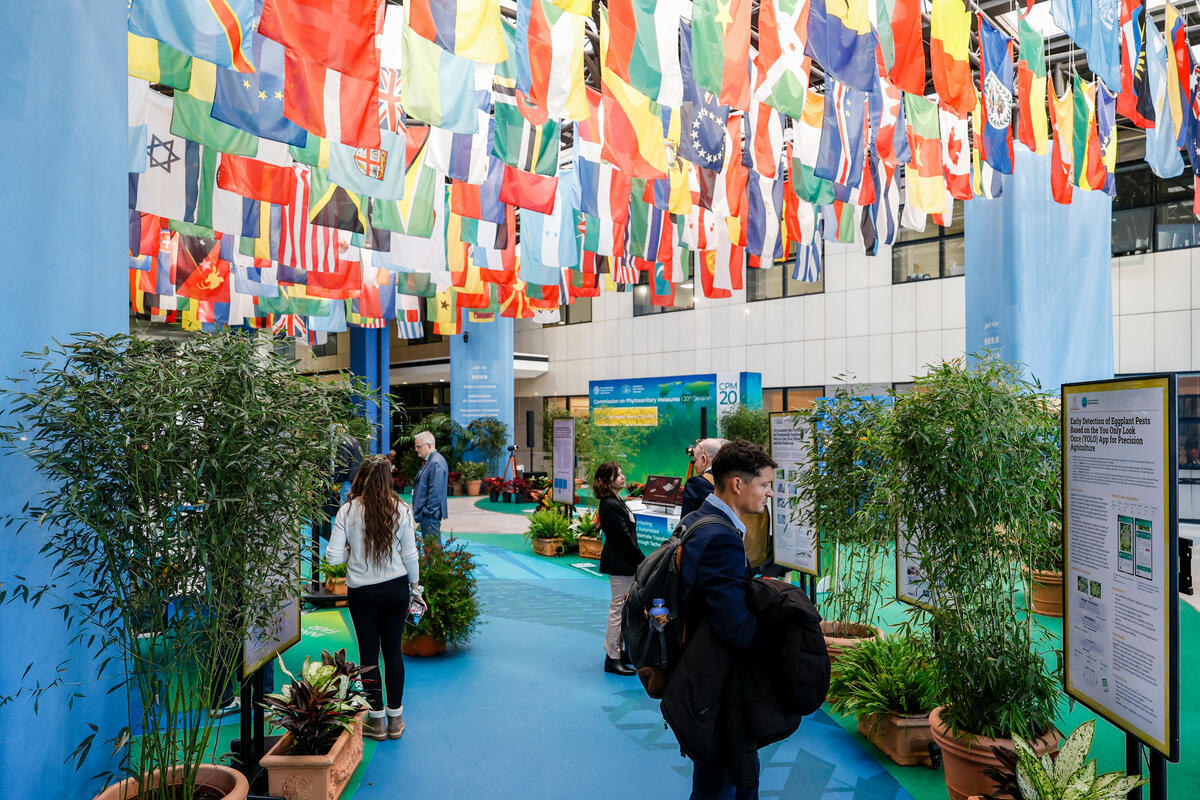
PBRI members were proud to be part of a major international conversation on plant health, presenting a research poster at the Twentieth Session of the Commission on Phytosanitary Measures (CPM-20) in Italy on March 9 -13.
Hosted by the Food and Agriculture Organisation, CPM-20 serves as a key annual forum for global decision-making on measures that protect plants and plant products, recognising plant health and biosecurity as central to food security and sustainable agrifood systems. With increasing trade and evolving pathways heightening the risk of plant pest movements, this year’s session highlighted the importance of international standards and building countries’ capacity to implement them effectively.
The dedicated Science Session was a key feature of the event, exploring how plant health underpins the safe delivery of food and aid in emergency and crisis situations. These discussions highlighted an often-overlooked risk: the potential for pests and diseases to spread through aid supplies, with impacts that can persist long after immediate recovery.
For PBRI, contributing to the event’s poster sessions enabled us to showcase our coordinated, collaborative model and research approach, and highlight the role Australia is playing in strengthening plant health systems and advancing the application of frameworks under the International Plant Protection Convention.
Adding to the momentum, CPM-20 also hosted its first-ever Plant Health Innovation Fair. The exhibition showcased cutting-edge tools and approaches – from digital platforms and artificial intelligence to surveillance technologies – designed to strengthen pest prevention, early detection and rapid response.
PBRI’s involvement reflects its ongoing commitment to advancing science-based solutions and collaborating internationally to address plant biosecurity challenges. By engaging in forums like CPM-20, PBRI continues to contribute to global efforts that safeguard agricultural systems, protect livelihoods and support resilient food systems into the future.
